BEGIN:VCALENDAR
PRODID:-//Microsoft Corporation//Outlook 14.0 MIMEDIR//EN
VERSION:2.0
METHOD:PUBLISH
BEGIN:VTIMEZONE
TZID:Asia/Hong_Kong
X-LIC-LOCATION:Asia/Hong_Kong
BEGIN:STANDARD
TZOFFSETFROM:+0800
TZOFFSETTO:+0800
TZNAME:HKT
DTSTART:19700101T000000
END:STANDARD
END:VTIMEZONE
BEGIN:VEVENT
UID:A11x3920r265106C581518
SEQUENCE:1
DTSTAMP:20260618T114300Z
ORGANIZER;CN=School of Creative Media:mailto:
DTSTART:20260625T000000
DTEND:20260627T000000
LOCATION:Senate Room, 19/F, Lau Ming Wai Academic Building (LAU), City University of Hong Kong
DESCRIPTION:Goto CAP message : https://cap.cityu.edu.hk/studentlan/postDetail.aspx?id=A11x3920r265106C581518\n\n\n \n Conference theme: The Ages of Games. Epochs and Periodisations\n Programme Details: https://www.history-of-games.com/2026-hong-kong/ \n \n Introduction\n History is often divided into epochs\, be they ages\, periods\, dynasties or eras. The history of popular culture is no different: cinema\, for example\, has the cinema of attractions\, the silent period\, the age of vanguards\, post-war movements such as the New Waves or the Italian Neorealism\, the New Hollywood\, the age of V-Cinema and OVA\, and the international rise of independent films. Similarly\, games and video games have Golden Ages\, revolutions\, generations\, crashes\, and many other popular ways to identify discrete segments of their own histories. To study the history of games is to think about epochs defined by shared traits and bookended by transformative events.\n \n How is this periodisation done\, and by whom? Who are the stakeholders of this conceptualisation? What are the main criteria to define periods? How does the concept of epochs differ between the spheres of academia\, criticism\, and popular gaming culture? Epochs can be proposed and accepted by the public according to technology\, impact of/on other areas outside of the medium\, and even artistic trends and movements. They often tell a unified story that is useful in simplifying the ebbs and flows of the history of the medium\, but can hide key events\, actors\, and regions.\n \n For History of Games 2026\, we invite you to consider periodisation: for example\, already established and accepted periods\, alternative ones\, problematisations of epochs or international and regional periods and their coexistence. What are the best ways to discuss gaming’s epochs\, and what methods can be used to anchor them? What can we learn (and unlearn) by questioning these ages of games? Possible topics include\, but are not limited to:\n \n - The periodisation of games culture: events\, magazines\, communities\n - Regional periods\, their differences and similarities with “universal” history\n - The periodisation of genres\n - Key historical elements ignored by popular periodisation\n - Grey markets and their (lack of) periodisation\n - The epochs of historiography\, preservation\, and collecting\n - The concept of “classic” in games history and culture\n - Fan periodisation\n - Key events and elements of history for periodisation\n - Technology and periodisation\n - The impact of and on games as a periodisation criterion\n - Epochs and canon(s)\n - Art and artistic movements in the periodisation of games\n - Representation of periods in games\, e.g. Graeco-Roman elements in contemporary games\n - Hardware cycles/generations as periodisation (e.g. consoles\, PCs\, arcades\, mobile gaming\, etc.)\n - Periods of monetisation: from sale to free-to-play\n - “Periods” of specific ongoing games: e.g. World of Warcraft major patches\n \n Keynote Speakers\n Prof. Akiko Sugawa-Shimada (Professor\, Graduate School of Urban Innovation\, Yokohama National University)\n Prof. Paolo Pedercini (Associate Professor of Art\, School of Art\, Carnegie Mellon University)\n \n Registration (For General Audience)\n https://forms.gle/LtEie9M8NmD4Nrrz9 \n \n Programme (updated as of 11 June 2026)\n https://www.history-of-games.com/wp-content/uploads/2026/06/History-of-Games-2026_Draft-Programme_11June.pdf \n \n More details\n https://www.history-of-games.com/2026-hong-kong/ \n https://www.scm.cityu.edu.hk/events/history-of-games-2026 \n
X-ALT-DESC;FMTTYPE=text/html:Click here to CAP message
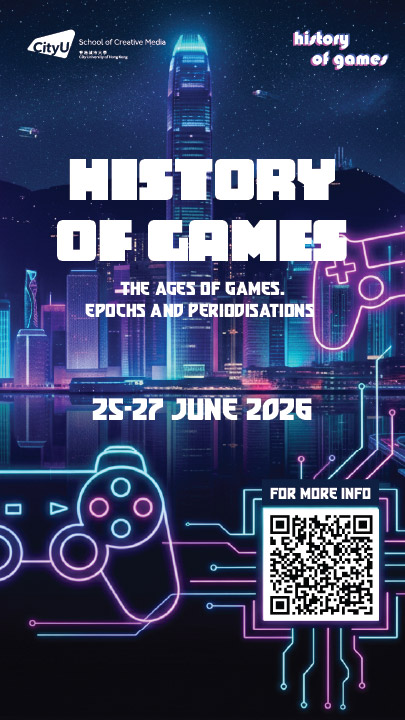
Conference theme: The Ages of Games. Epochs and Periodisations
Programme Details: https://www.history-of-games.com/2026-hong-kong/
Introduction
History is often divided into epochs, be they ages, periods, dynasties or eras. The history of popular culture is no different: cinema, for example, has the cinema of attractions, the silent period, the age of vanguards, post-war movements such as the New Waves or the Italian Neorealism, the New Hollywood, the age of V-Cinema and OVA, and the international rise of independent films. Similarly, games and video games have Golden Ages, revolutions, generations, crashes, and many other popular ways to identify discrete segments of their own histories. To study the history of games is to think about epochs defined by shared traits and bookended by transformative events.
How is this periodisation done, and by whom? Who are the stakeholders of this conceptualisation? What are the main criteria to define periods? How does the concept of epochs differ between the spheres of academia, criticism, and popular gaming culture? Epochs can be proposed and accepted by the public according to technology, impact of/on other areas outside of the medium, and even artistic trends and movements. They often tell a unified story that is useful in simplifying the ebbs and flows of the history of the medium, but can hide key events, actors, and regions.
For History of Games 2026, we invite you to consider periodisation: for example, already established and accepted periods, alternative ones, problematisations of epochs or international and regional periods and their coexistence. What are the best ways to discuss gaming’s epochs, and what methods can be used to anchor them? What can we learn (and unlearn) by questioning these ages of games? Possible topics include, but are not limited to:
- The periodisation of games culture: events, magazines, communities
- Regional periods, their differences and similarities with “universal” history
- The periodisation of genres
- Key historical elements ignored by popular periodisation
- Grey markets and their (lack of) periodisation
- The epochs of historiography, preservation, and collecting
- The concept of “classic” in games history and culture
- Fan periodisation
- Key events and elements of history for periodisation
- Technology and periodisation
- The impact of and on games as a periodisation criterion
- Epochs and canon(s)
- Art and artistic movements in the periodisation of games
- Representation of periods in games, e.g. Graeco-Roman elements in contemporary games
- Hardware cycles/generations as periodisation (e.g. consoles, PCs, arcades, mobile gaming, etc.)
- Periods of monetisation: from sale to free-to-play
- “Periods” of specific ongoing games: e.g. World of Warcraft major patches
Keynote Speakers
Prof. Akiko Sugawa-Shimada (Professor, Graduate School of Urban Innovation, Yokohama National University)
Prof. Paolo Pedercini (Associate Professor of Art, School of Art, Carnegie Mellon University)
Registration (For General Audience)
https://forms.gle/LtEie9M8NmD4Nrrz9
Programme (updated as of 11 June 2026)
https://www.history-of-games.com/wp-content/uploads/2026/06/History-of-Games-2026_Draft-Programme_11June.pdf
More details
https://www.history-of-games.com/2026-hong-kong/
https://www.scm.cityu.edu.hk/events/history-of-games-2026
SUMMARY:(Reminder) [Conference] (25-27 June) History of Games 2026 - The Ages of Games. Epochs and Periodisations
STATUS:CONFIRMED
END:VEVENT
END:VCALENDAR